
Your phone does not need to know your theology to learn your attention. It watches which stories keep you scrolling, which messages pull you back, which faces make you compare yourself, and how long it takes before you reach for it again.
Attention is not the same thing as worship, but attention helps shape what feels important. A daily stream of conflict can make fear feel like wisdom. A steady diet of comparison can make gratitude feel small. A constant search for approval can make silence feel like rejection.
The useful question is not whether a phone is good or bad. Ask what kind of person your habits are rehearsing. When do you reach for it? What feeling comes before that reach? What becomes harder to do because your attention has already been spent?
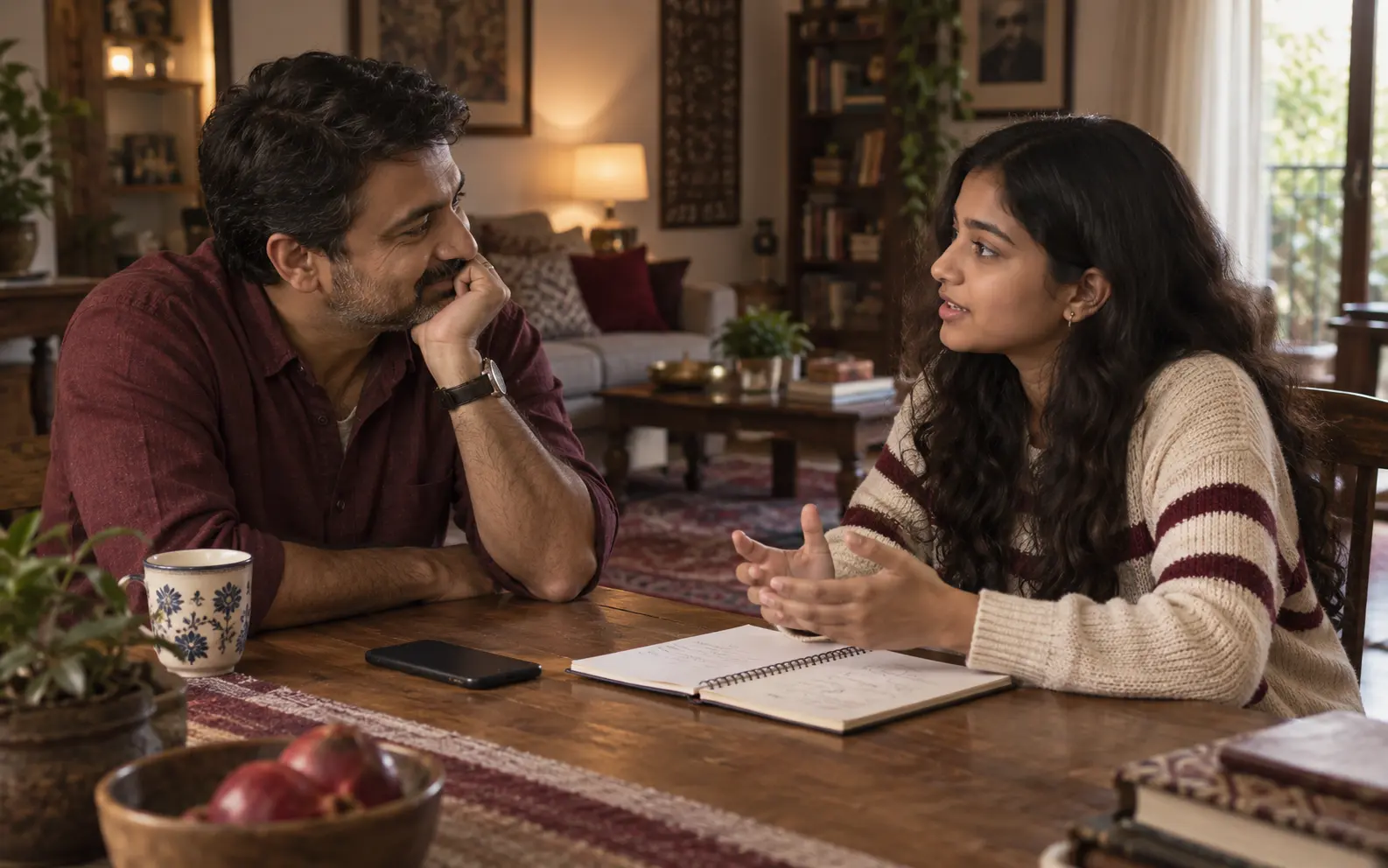
For one day, notice the first three times you unlock your phone. Write down what you needed in that moment. Then make one small change: move a distracting app, silence one alert, or leave the phone in another room during a conversation or prayer.
Small limits can make room for larger loves. The goal is not to win a battle against a device. The goal is to become more present to God and to the people in front of you.